
The role of finishing treatment of railing elements in the LEED strategy
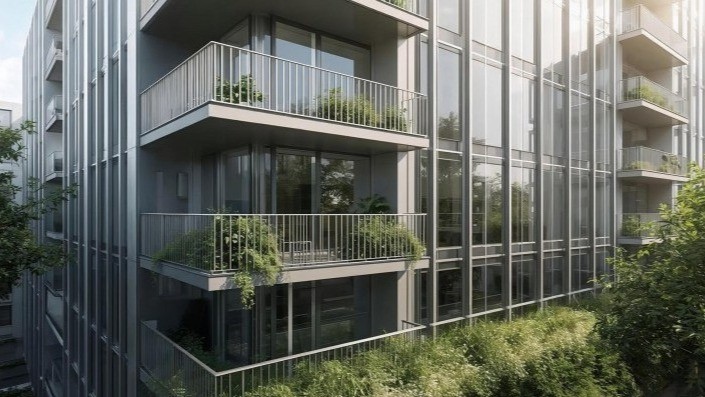
Investors, designers, and tenants are increasingly demanding buildings with lower resource consumption, higher-quality indoor environments, and reduced environmental impact. LEED certification today represents one of the leading standards of modern construction, as sustainability is no longer an added advantage but an expected minimum.
Through a structured point-based model, LEED guides project teams toward the integrated development of energy-efficient and resource-optimized buildings. This approach results in facilities with lower energy and water consumption, higher indoor environmental quality, and more stable operational performance. In this context, the selection of materials and finishing treatments becomes an integral part of the building’s overall performance strategy, rather than merely a matter of aesthetics.
The application of low-emission solutions, extended service life, and minimal maintenance requirements directly affects the overall performance of a building and its life cycle. For this reason, decisions regarding façade systems, metal components, and protective coatings are increasingly defined strategically in the early design phases through integrated collaboration among all project stakeholders. In this context, powder coating represents a technically and environmentally optimized choice for protecting steel and aluminum elements.
Technological principle of the powder coating system
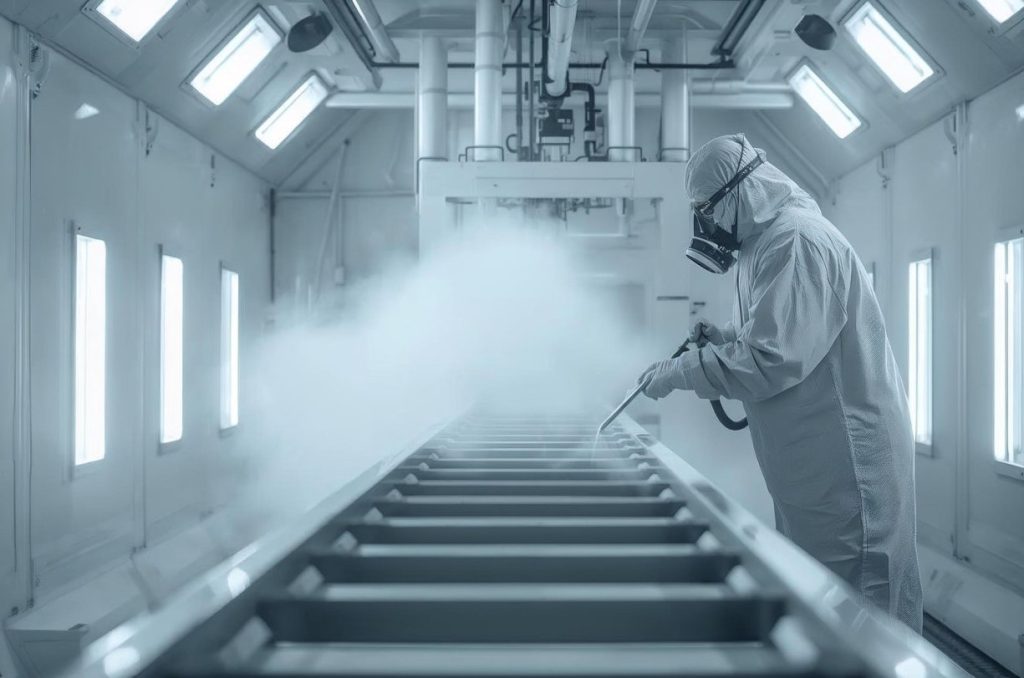
Powder coating is a process of electrostatic application of a dry thermosetting powder onto a previously prepared metal substrate, followed by thermal curing in an oven. During this process, a continuous, homogeneous, and mechanically resistant protective layer is formed.
Compared to conventional liquid coatings, this system enables precisely controlled and uniform coating thickness, high material utilization efficiency, the absence of solvents, and consistent finishing quality. Thanks to these characteristics, powder coating is today considered an industry standard for the protection of architectural metal elements.
Environmental suitability and advantages
Powder coatings contain virtually no solvents and have very low VOC emissions, contributing to emission reduction and compliance with the requirements of green certification systems, while allowing recycling of excess powder and alignment with sustainable procurement principles. The thermally cured layer provides high resistance to UV radiation, corrosion, wear, and temperature cycles, thereby extending the system’s service life. Powder-coated surfaces require minimal maintenance, mainly occasional cleaning, without the need for repainting, while maintaining long-term color consistency and offering broad possibilities for aesthetic customization.
Although powder coating is widely applicable, its proper specification becomes particularly important for the following building typologies:
Premium residential buildings — In multi-family and luxury developments, balcony railings are among the most visually exposed façade elements. Long-term color stability, resistance to ultraviolet radiation, and minimal maintenance requirements are essential for preserving the perception of quality, especially on loggias, French balconies, and rooftop terraces.
Hotels and tourism facilities — In hotels and resorts, metal elements are exposed to constant mechanical stress and frequent cleaning cycles. The finishing treatment must provide increased resistance to wear and maintenance agents while permanently preserving a representative appearance.
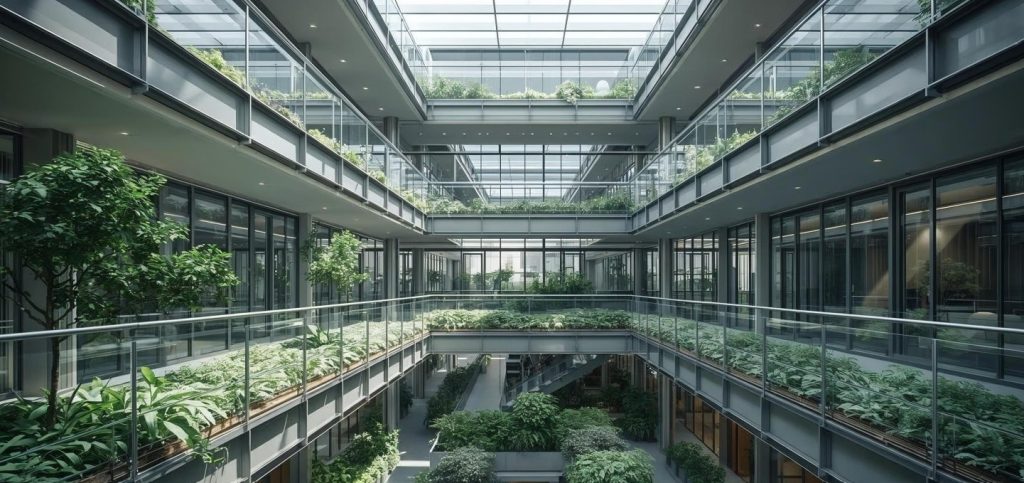
Commercial and office buildings — In atriums, galleries, and representative staircases, surface uniformity and long-term visual stability of the system are crucial, as they directly influence the building’s professional and corporate identity.
Public garages and infrastructure facilities — Here, elements are exposed to elevated humidity, the presence of chlorides and other pollutants, significant temperature fluctuations, and occasional mechanical impacts. Under such conditions, proper substrate preparation and correctly specified coating thickness are critical.
Exterior-exposed elements — For balconies, façade systems, and rooftop terraces exposed to weather conditions, selecting the appropriate class of exterior durability for the finishing treatment represents a key design parameter for ensuring long-term performance.
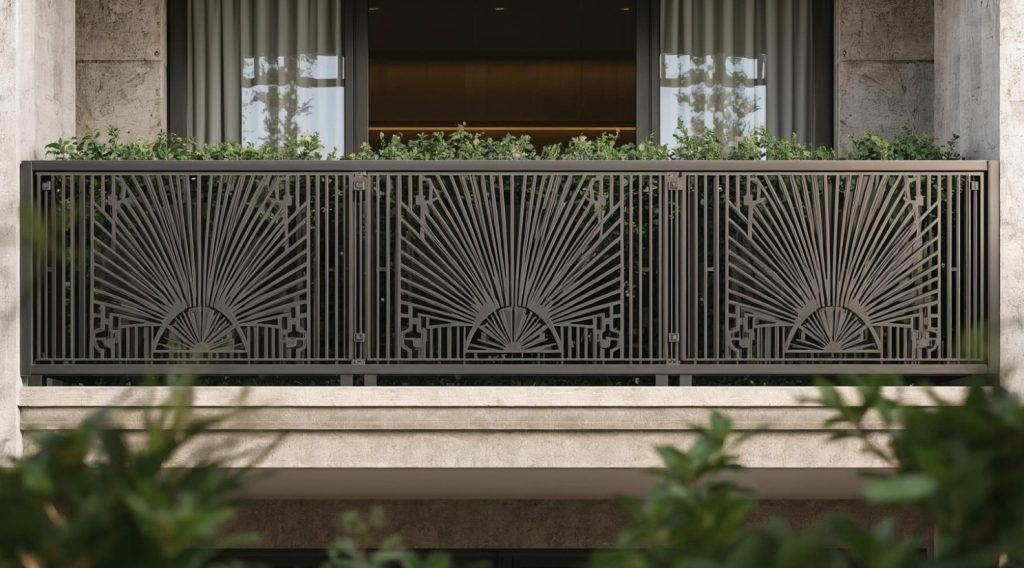
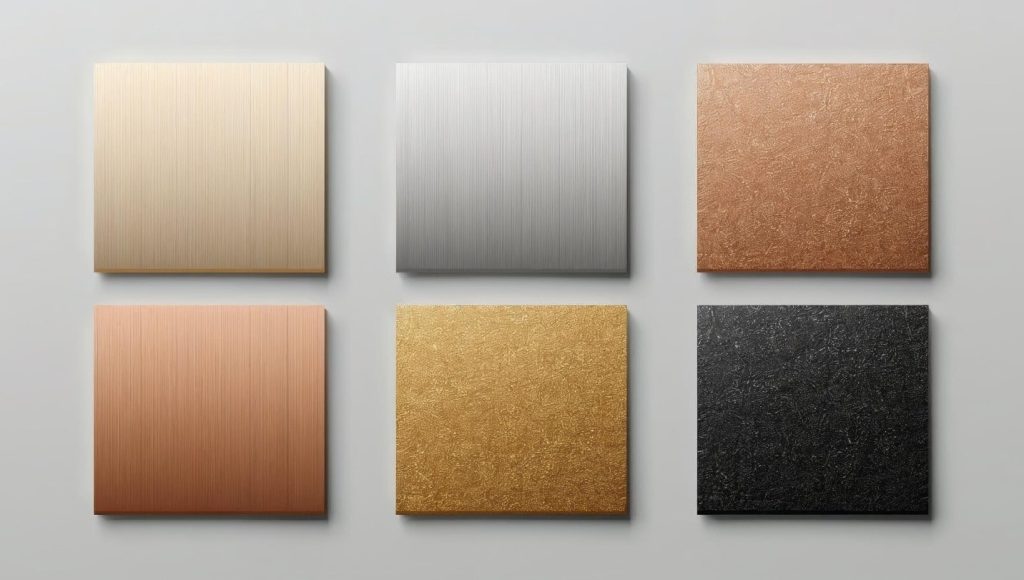
In projects aligned with LEED standards, the finishing treatment of metal elements should be considered an integral part of the building’s durability and sustainability strategy. When properly designed and executed, powder coating provides long-term corrosion protection, stable aesthetic surface quality, reduced operational costs, and compliance with contemporary sustainable construction requirements. For this reason, in modern practice the specification of finishing treatments is increasingly defined already in the early design stages through coordinated collaboration among architects, engineers, and contractors.