Installation of parametric facades
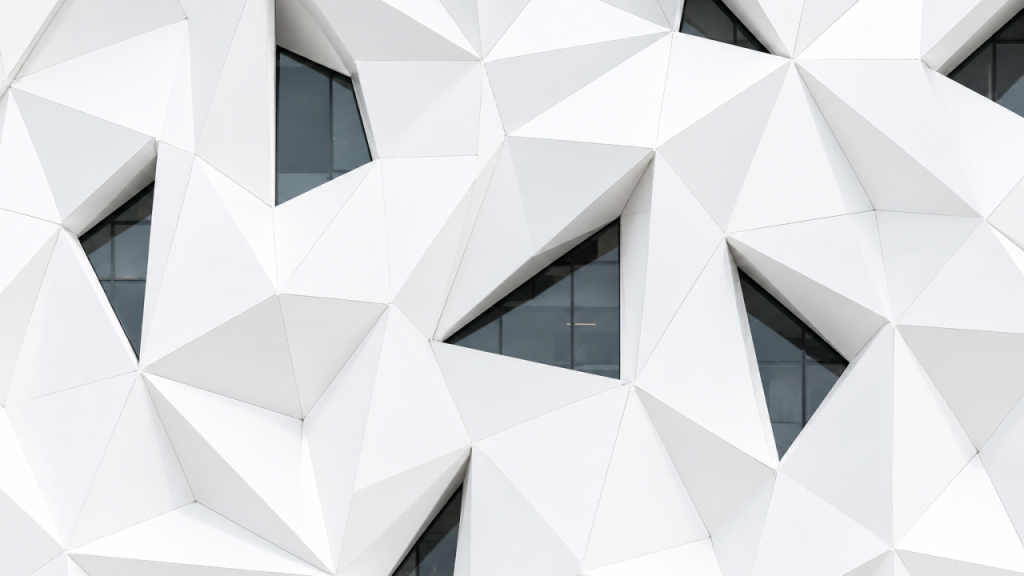
Parametric façades are not a passing trend. They represent the natural evolution of contemporary architecture, where aesthetics, performance, engineering, and fabrication operate as a unified system. As digital design tools and manufacturing technologies continue to advance, parametric systems will play an increasingly important role in shaping the office, residential, hospitality, and public buildings of the future. The challenge is no longer what we can design—the real question is how efficiently we can build it.
What Is a Parametrically Designed Façade?
A parametric façade is a façade system whose geometry and performance are defined and controlled through digital parameters. Unlike traditional façades, which use identical elements across the entire building envelope, parametric design enables the creation of:
- variable patterns,
- complex geometries,
- dynamic shading systems,
- adaptive building envelopes,
- a unique architectural identity.
Using advanced software such as Rhino, Grasshopper, Revit, and BIM platforms, architects can control thousands of individual façade components while maintaining full coordination with technical and structural requirements. The result is a façade that seamlessly integrates aesthetics and functionality, providing optimal solar protection, maximum use of natural daylight, enhanced ventilation, structural efficiency, optimized material consumption, and a higher level of comfort for building occupants.
Why Are Parametric Façades Becoming Increasingly Popular?
Parametric façades are becoming increasingly popular because they combine distinctive design with high building performance. They offer greater energy efficiency, improved control of natural daylight and occupant comfort, optimized material usage, and seamless integration with BIM and digital workflows, while also enhancing the property’s market value. Parametric design allows architecture to be visually striking, highly functional, and intelligent at the same time. Here, you can explore some of the types of façades that can be designed using parametric principles.
The Most Common Materials Used for Parametric Façades
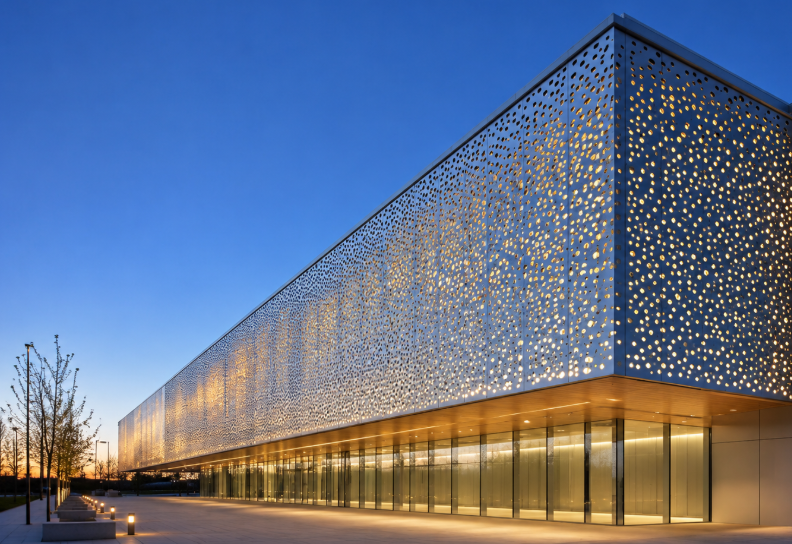
Perforated metal panels are among the most widely used solutions in contemporary architecture. By varying the shape, size, and density of the perforations, they provide effective solar shading, enhanced privacy control, distinctive lighting effects, and a unique visual identity for the building. At the same time, they allow for the fabrication of fully customized panels without compromising manufacturing efficiency.
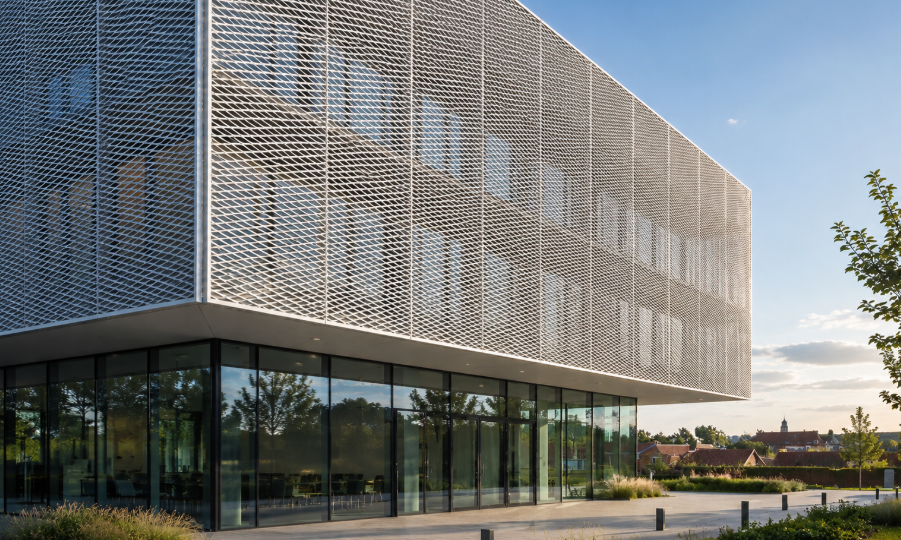
Expanded metal façades represent a lightweight and efficient solution for modern double-skin façade systems. They provide solar protection, natural ventilation, reduced energy consumption, and a contemporary architectural expression, while maintaining visual transparency. Through parametric design, it is possible to adjust mesh density, orientation, and panel layout to achieve optimal functionality and aesthetics.
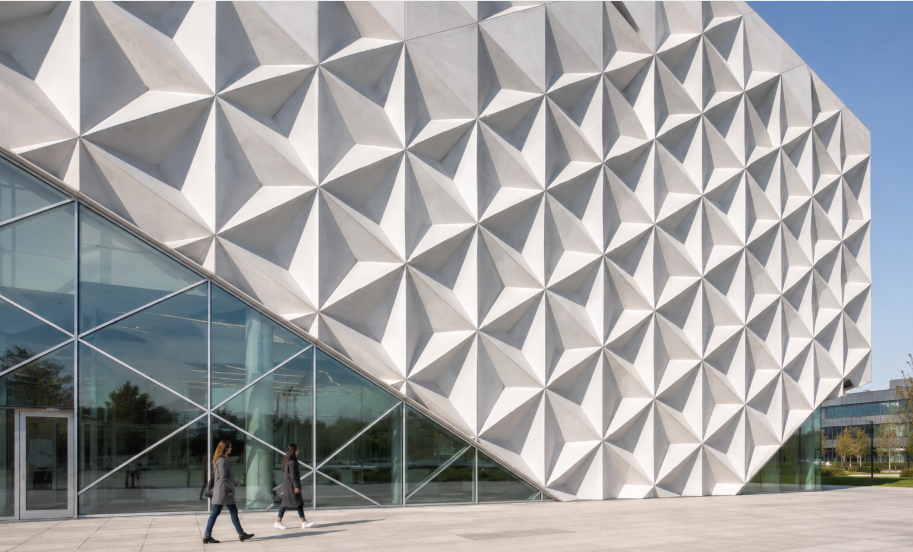
Aluminum panels enable the creation of three-dimensional façade surfaces, fluid geometries, and sculptural forms, while integrating advanced shading systems. Due to their flexibility and aesthetic potential, they are often used in high-profile commercial, hotel, and public buildings.
Vertical and horizontal louvers can be parametrically optimized according to the building’s orientation, solar path, and energy efficiency requirements. This approach achieves an optimal balance between aesthetic expression, solar control, and façade performance.
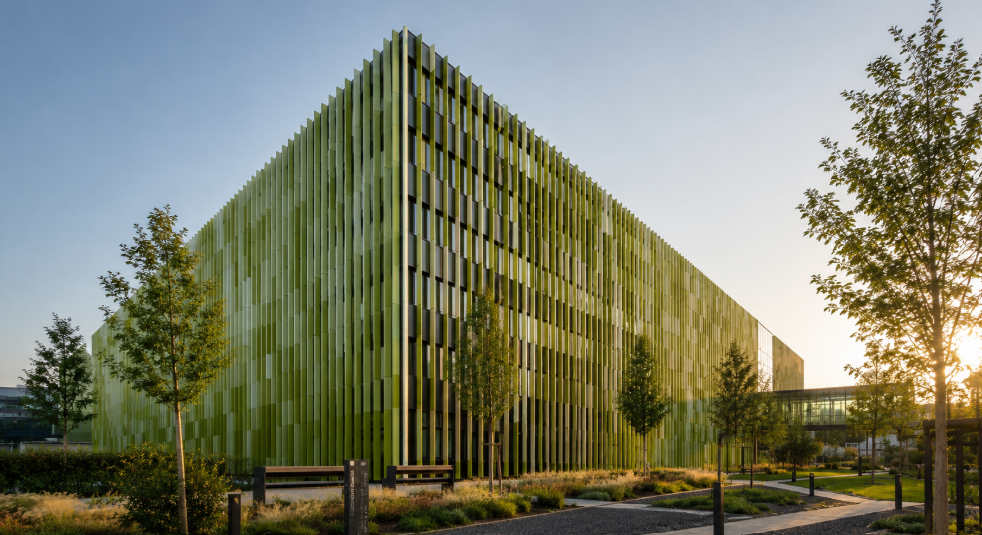
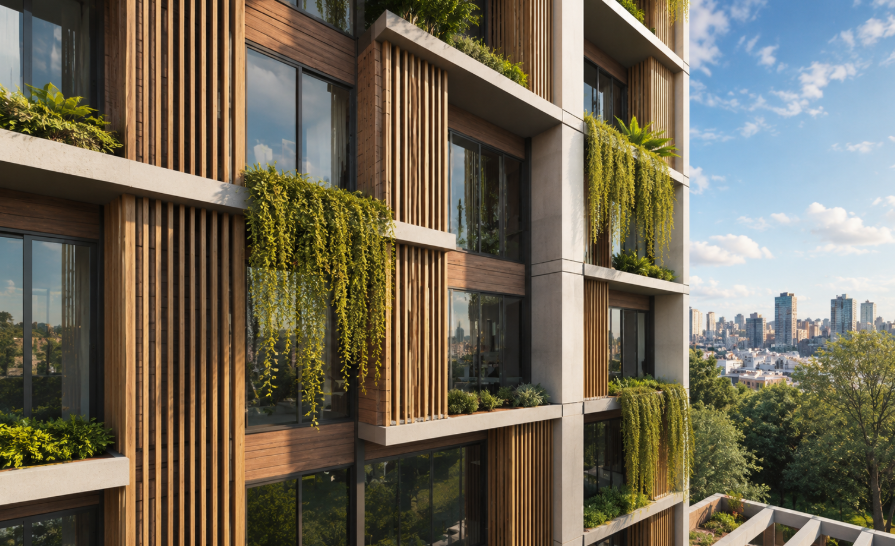
Architectural screens and brise-soleil systems provide effective solar protection, privacy, and natural ventilation, while adding depth and texture to the façade. Through parametric design, it is possible to precisely define the spacing, dimensions, and angle of each element to achieve optimal aesthetic and functional performance.
From Concept to Realization
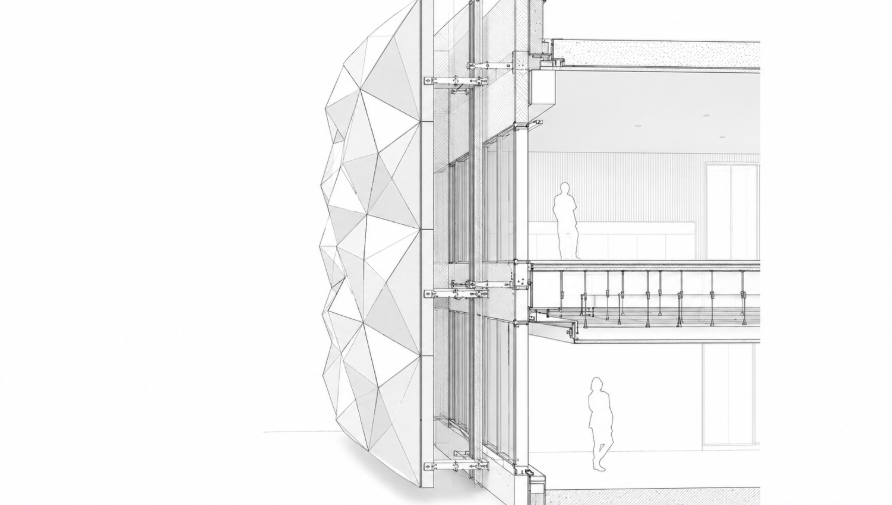
Although parametric façades are created in a digital environment, their successful realization requires close collaboration between architects, engineers, manufacturers, and contractors. Each project involves careful coordination of structural calculations, material selection, joint detailing, manufacturing tolerances, wind loads, installation methodology, and long-term system durability to ensure the architectural vision is translated into a functional and buildable solution. The most refined digital model has no value if it cannot be efficiently and reliably manufactured and installed.
At Metals-Weld, we collaborate with architects, investors, façade consultants, and contractors to transform complex façade concepts into buildable and long-lasting solutions. Our team can provide support through:
Technical system development – includes expert consulting, selection of optimal materials, system optimization, and feasibility validation to ensure functionality, efficiency, and successful project delivery.
Engineering coordination – includes the development of technical details, joint design, integration of the façade system with the building structure, and BIM coordination among all project stakeholders.
Manufacturing – includes the production of metal façade elements, expanded metal systems, architectural screens and brise-soleil, as well as steel and aluminum structures tailored to specific project requirements.
Installation support – includes on-site coordination, definition of installation methods, quality control, and technical support throughout the entire construction process.
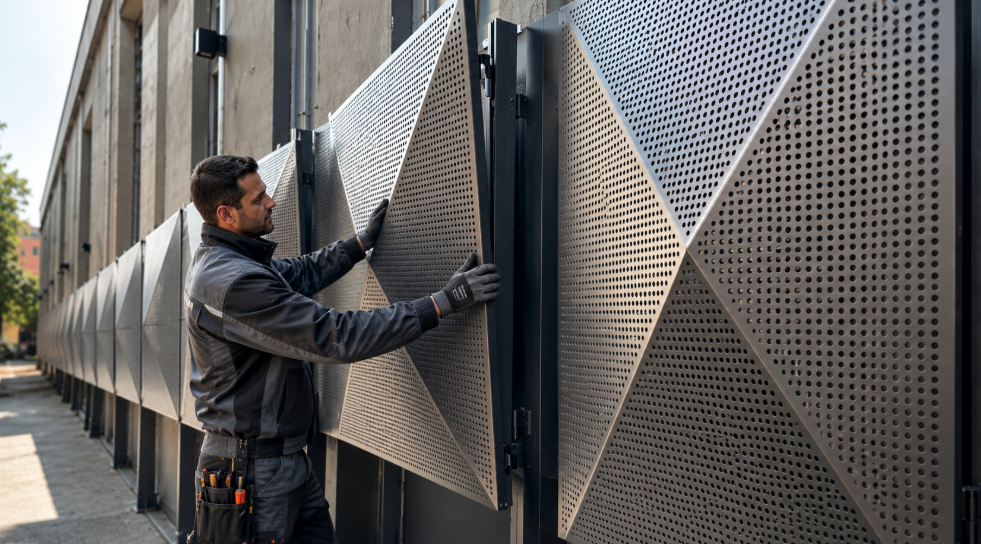
The goal of the Metals-Weld team is to connect architectural vision with real-world manufacturing and construction capabilities. Our team is available to support investors, architects, and designers in the development, production, and execution of modern parametric façade systems.
Consultations can be scheduled by sending an email to office@metals-weld.com.