
How do metal mesh fences connect architecture and horticulture
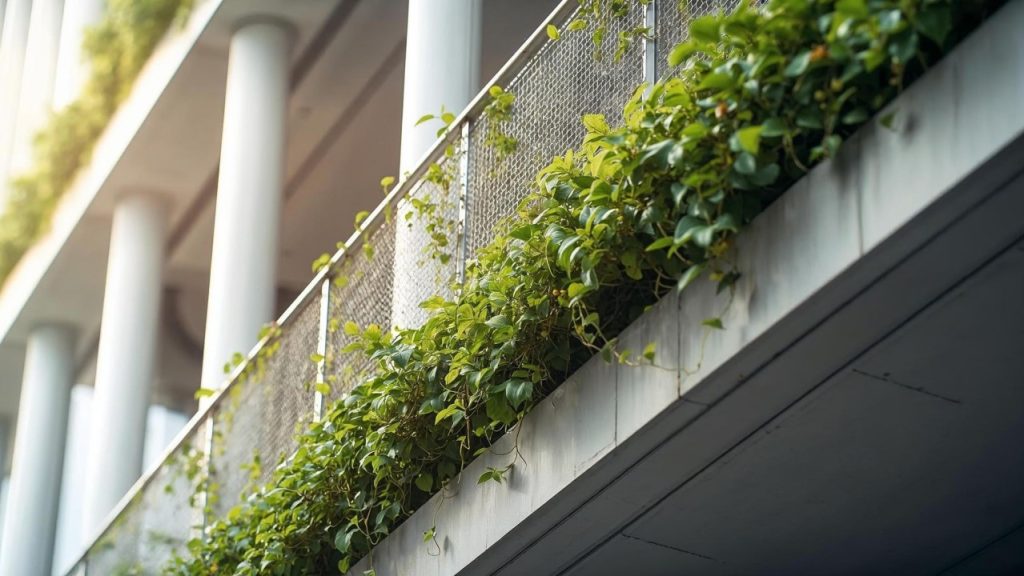
Fence systems with mesh cables create a rhythm of lines that is discreet, yet strong enough to give character to a façade, terrace, or staircase. At the same time, the structure remains clean—slender posts, precise joints, and consistent lines that feel as though they have always belonged to that space. For projects in which the view is not a luxury add-on but the primary value, this technical solution becomes almost inevitable.
In contemporary luxury projects, it is becoming increasingly clear that the true value of a space is not measured by its visual spectacularity, but by the quality of experience it enables. Today’s luxury подразумева calm, openness, an unobstructed view, and the feeling that nature is not a decorative element observed from a distance, but an integral part of the architectural system. In that context, fence systems with mesh cables cease to be merely a safety measure and become a deliberate design decision that directly influences the character of the space.
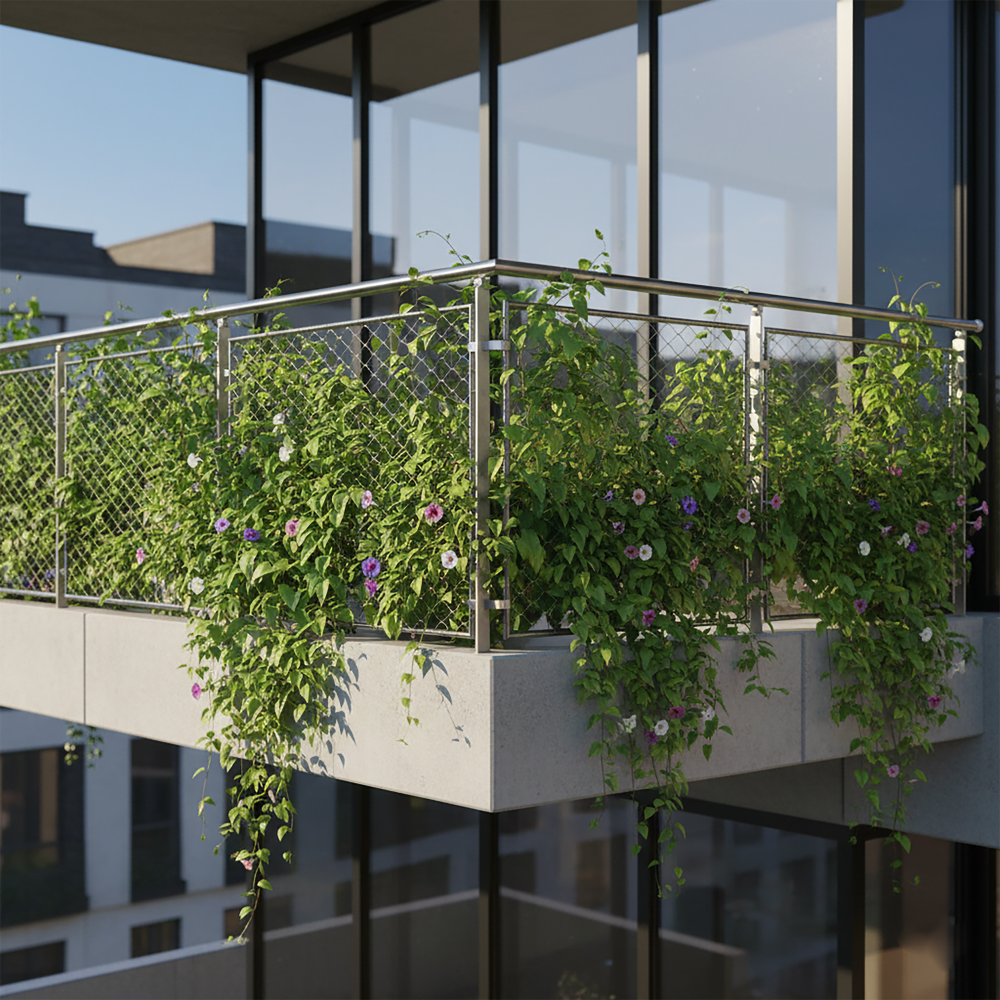
One of the key qualities of contemporary design is the ability to integrate technical elements into a broader spatial and landscape concept. A fence system with mesh cables makes this possible in a natural and unobtrusive way. Its structure provides ideal support for climbing plants and horticultural scenarios, without additional constructions and without compromising architectural clarity. The plants attach to the cable mesh, follow its rhythm, and grow through and around it, allowing the fence to evolve over time from a discreet metal element into a living green layer.
Where and how are cable mesh fences used?
1. Inside the building
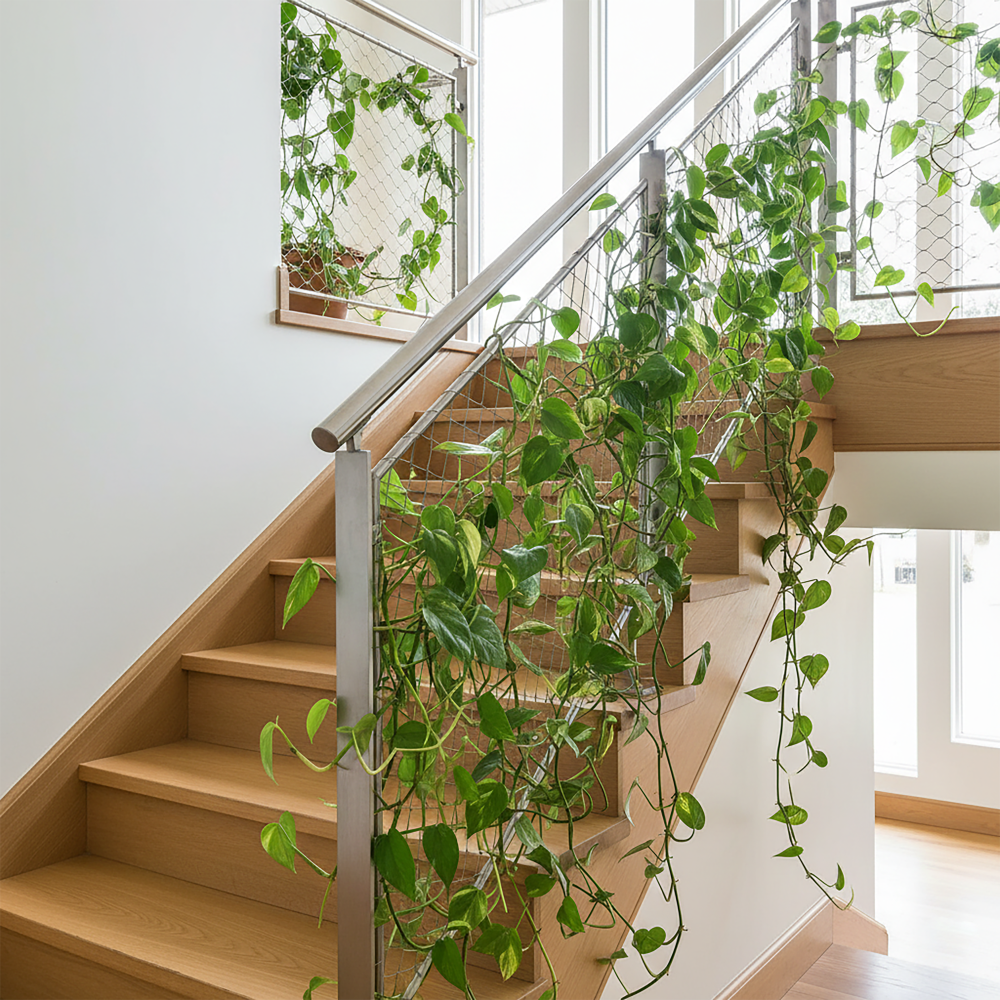
In interiors, cable mesh fences are used as elegant protective railings on staircases, galleries, atriums, and double-height spaces. Their transparency allows visual continuity and the free passage of light, while still meeting all safety requirements. Combined with greenery in indoor atriums or winter gardens, the mesh cables can become a subtle support for vertical greening, further humanizing and enriching interior spaces.
2. Outdoors – terraces, balconies, and rooftop spaces
On exterior surfaces, cable mesh systems are most often used on balconies, terraces, rooftop gardens, and staircases. Their open structure does not block views or daylight, which is especially important in luxury projects where the vista is one of the key values. At the same time, the cables allow greenery to be integrated without additional supports, making the fence a functional part of the landscape concept.
3. As green walls and landscape infrastructure
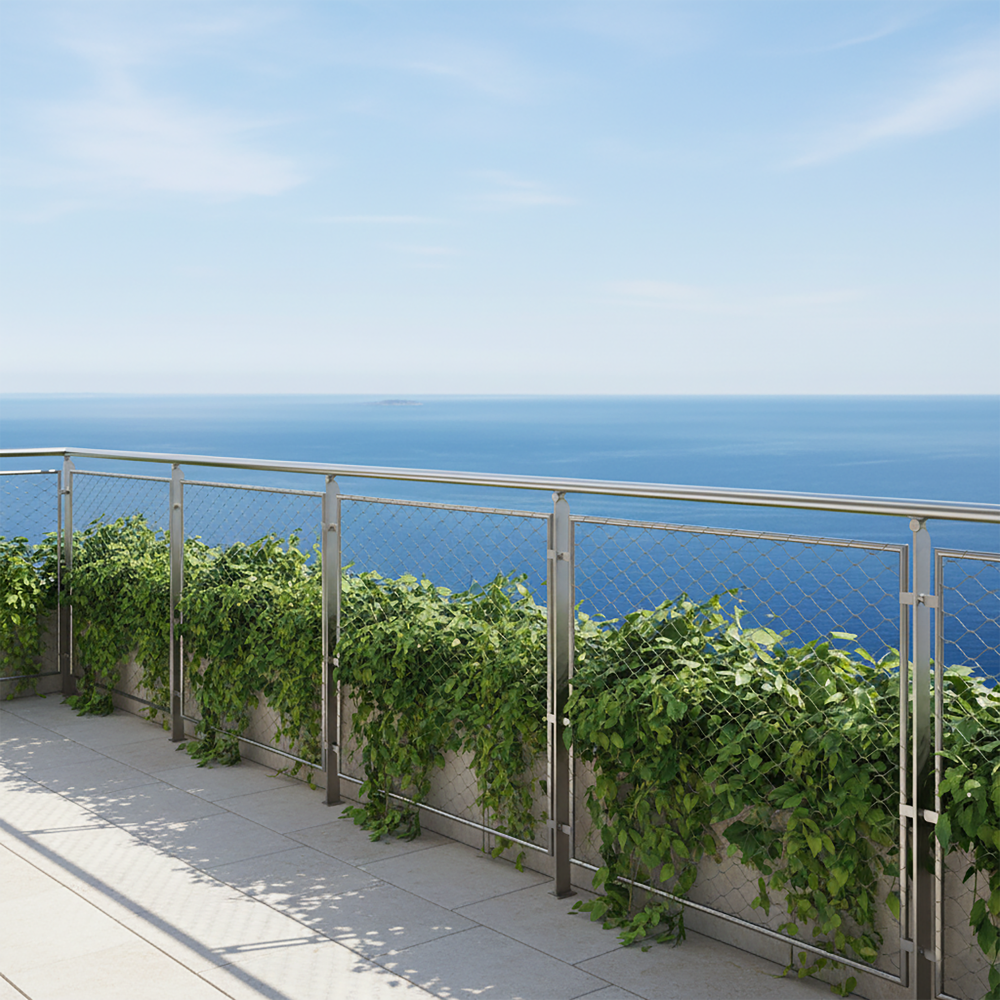
As a distinct category of application, cable mesh fences can function as green wall systems or as supporting infrastructure for green façades. Installed in front of a façade, alongside pergolas, or within terraces, the cable meshes enable climbing plants to grow and form living green walls. In this way, the fence evolves into an active ecological layer that contributes to shading, microclimate, and the biophilic identity of the building—without sacrificing transparency.
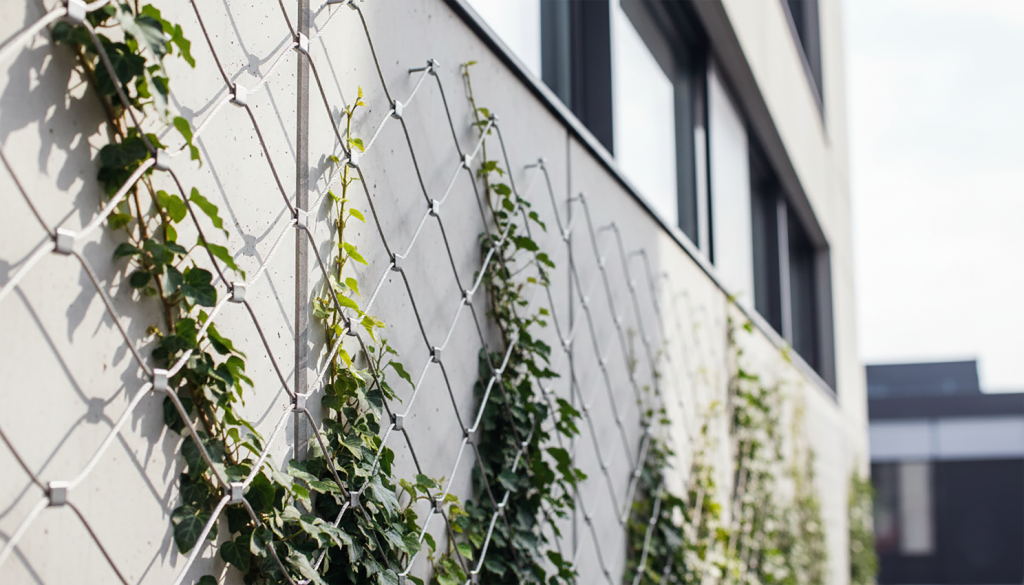
Controlled growth without visual clutter
The spacing and grid of cable meshes allow precise control over plant growth. Architects and landscape designers can strategically select plant species and planting density so that greenery gradually “weaves” into the mesh system. This softens the architectural lines while keeping the space open, legible, and uncluttered.
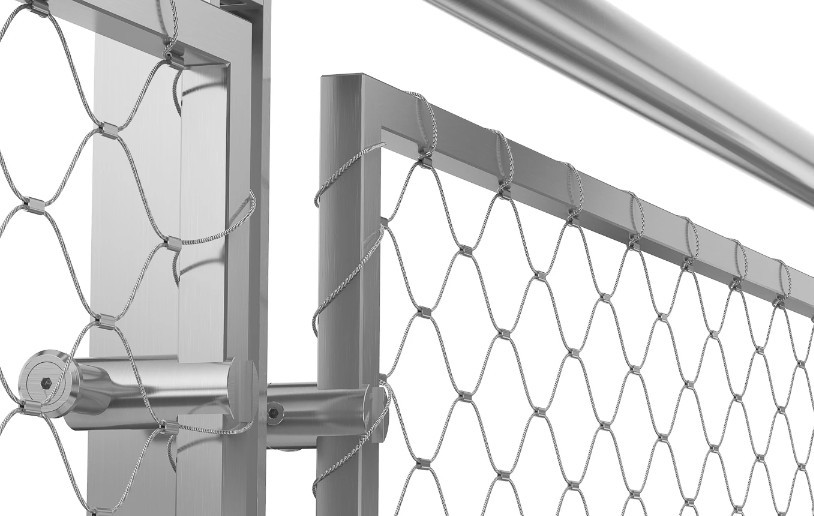
Cable mesh fence systems are made from corrosion-resistant materials, making them especially suitable for areas with regular watering, irrigation systems, and high humidity. This is particularly important for terraces, balconies, and rooftop gardens, where the system’s durability is just as important as its aesthetic quality.
What a project gains from using a cable mesh fence system:
Biophilic design – Integrating greenery within the fence contributes to a sense of calm and connection with nature in living areas such as balconies, terraces, and communal spaces.
Comfort without obstructing views – The mesh cables do not block sightlines or daylight, maintaining spatial openness and preventing a feeling of enclosure.
Activation of outdoor spaces – When terraces and balconies are more pleasant thanks to the combination of greenery, light, and air, they become spaces that are actually used, not just observed.
Maximum light and air permeability
The open structure of cable meshes allows unobstructed air circulation and even sunlight, which is crucial for plant health. This makes these systems particularly suitable for:
Terraces with integrated greenery
Balconies with planters
Rooftop gardens
Green façades and areas under pergolas
The cables serve as a natural support system for climbers. Plants such as ivy, jasmine, clematis, bougainvillea, and climbing roses instinctively latch onto the thin, linear elements offered by the cable mesh, following its regular and continuous rhythm.
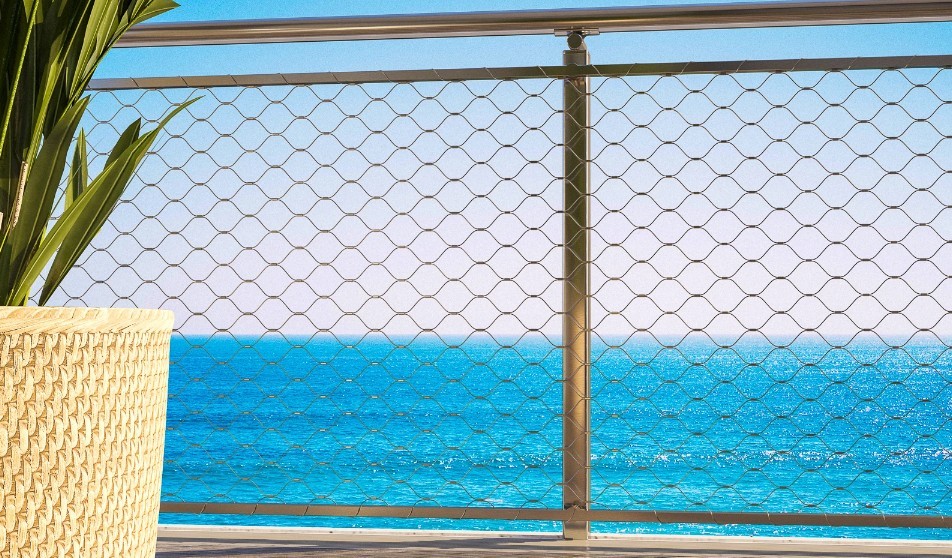
A combination of safety, sustainability, and biophilic design
By combining safety, transparency, and support for greenery, cable mesh fence systems naturally align with the principles of sustainable and biophilic architecture. They enable the transformation of balconies, terraces, and façades into active green spaces, improve the microclimate, and positively affect users’ psychological experience.
Horticulture is not a static discipline. Plants grow, change, and mature, and cable mesh fence systems are the ideal partner in this process because they do not impose a fixed form—they allow development. Greenery can be added gradually, changed seasonally, or shaped according to the desired level of privacy and shading. The architecture remains precise and clean, while the landscape has the freedom to evolve.